Planning for freight delays and changes on a California–Florida shipment

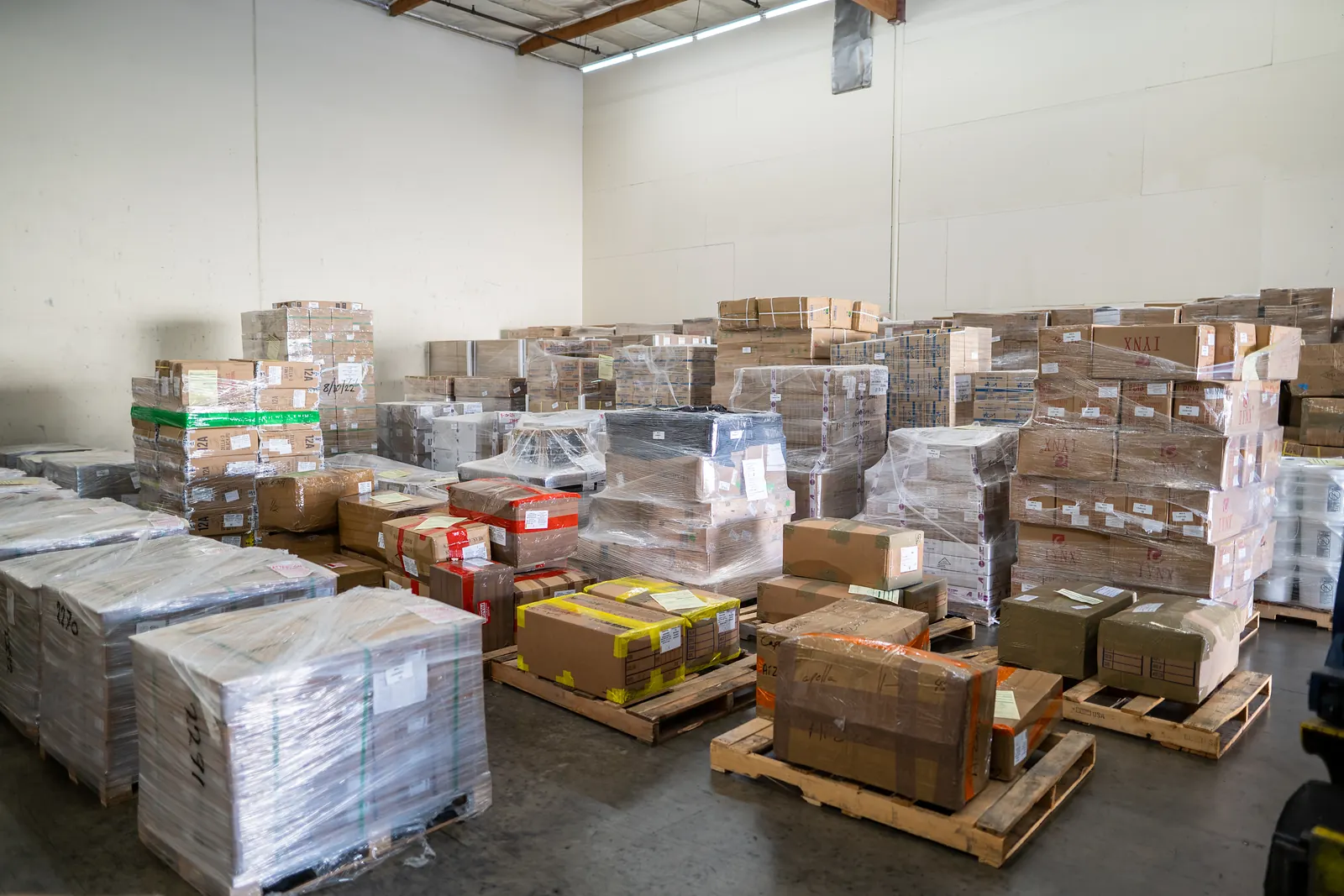
Palletized freight staged across the Pelham warehouse floor

The short answer

If a freight plan changes, first identify the affected shipment and tell the carrier and receiving business what changed. Confirm the latest pickup or receiving arrangement before making further commitments. A transit estimate is not a guaranteed appointment; do not treat an unconfirmed arrival as a confirmed onward connection.

Why California–Florida freight plans change

Freight from Los Angeles to Florida travels about 2,700 miles over several days. Some 2,300 to 2,400 of them are on Interstate 10, the main route from Los Angeles to Tallahassee and Jacksonville; from there, trucks head south on I-75, I-95 or Florida’s Turnpike. Even with good planning, loading delays at a warehouse, severe weather, traffic and changing receiving appointments can affect the schedule. Fast, structured communication between the carrier, the supplier and the receiver keeps a small change from becoming a costly disruption.

If the shipment is already moving

  1. Find the reference: have the Pelham quote reference or the bill of lading (BOL) number ready.
  2. Check the latest status: Pelham updates each shipment at its milestones, from pickup to proof of delivery. Contact the customer service and dispatch team and ask what is confirmed and what remains estimated.
  3. Tell the receiving business: the Florida receiver can adjust dock staff or reschedule the appointment.
  4. Coordinate the next leg separately: if a Miami forwarder or another company handles the next leg, give it the revised arrival estimate so it can review its cut-off.

Rule: a transit estimate is an operational target, not a guaranteed appointment. Do not schedule an international departure or a production shift on an unconfirmed arrival.

Request an existing-shipment update. This guide does not promise a particular resolution, compensation or tracking feature.

If the load is not ready for pickup

  • Tell the team right away when the ready date, pallet count, dimensions or weight changes.
  • Reconfirm price and capacity: extra pallets or a new pickup day can change the space and the arrangement. Ask whether the quote still applies.
  • Get a realistic readiness date from the supplier, and check the receiver’s availability, before agreeing a new pickup.

If the receiving details change

If a Miami, Orlando or Jacksonville receiver changes the delivery location or dock hours, send the new street address, suite or door, receiving contact and appointment rules. Ask what the change means for the existing arrangement. For a forwarder, use the domestic receiving address in Florida, not the overseas destination, and coordinate any onward international schedule with that company.

Reduce avoidable uncertainty on the next shipment

  • Measure early: give loaded dimensions (length × width × height) and total weight rather than assuming standard pallet sizes.
  • Give both dates: the pickup ready date and the receiver’s actual deadline.
  • Name the contacts: who communicates changes at the supplier and at the receiving business.
  • Choose the right LTL level: match the urgency to Economy, Regular or Expedited, and review coverage and estimated timing before booking.

Use the right next step

For a shipment already arranged, contact the team with its reference. For a new load, check the freight quote requirements and review LTL coverage before requesting service.


Freight technology: questions shippers should ask

Pelham box truck fleet lined up in the terminal yard

The short answer

Evaluate freight technology by whether it helps you make a shipping decision quickly and confidently: obtain a usable status update, keep shipment details consistent or coordinate receiving. Ask for the actual workflow, access requirements and limitations. A portal link alone does not establish live GPS tracking or automated alerts.

Visibility: what information will you actually receive?

Almost every carrier advertises advanced technology, but buzzwords do not move freight; clear communication does. “Tracking” also means different things: a single “dispatched” email is not the same as updates at each stage.

  • Which pickup, transit and delivery updates are available?
  • Are updates provided by a person, a portal or another channel?
  • Does a status describe the shipment or show a live vehicle position?
  • Which reference and contact should you use when an update is late or the receiver needs a new arrival estimate?

At Pelham: there is no live GPS tracking. The status is updated at each milestone: freight picked up, arrival at the origin warehouse, departure to Florida, arrival at the destination warehouse, delivery and proof of delivery.

Digital paperwork: can both sides use the same details?

Many billing adjustments come from differences between the purchase order, the packing list and the bill of lading (BOL). A useful digital process keeps cargo descriptions, dimensions, weight, addresses and dock instructions consistent. Ask how changes to dimensions, pallet count or delivery instructions are submitted after the quote, and which version governs the arrangement.

Pelham has a digital account application. It speeds up billing setup, but account submission does not itself reserve capacity or book a load.

Planning: does the information support the receiving deadline?

Software can plan routes, but it cannot override receiving appointments, traffic or loading delays. Ask which timing information is confirmed and which is estimated, and who coordinates appointment changes with a Florida distribution center or Miami forwarder. At Pelham, the customer service and dispatch team handles that coordination. Compare this with the actual destination and appointment requirement. Technology cannot turn a non-guaranteed transit estimate into a delivery guarantee.

A simple evaluation worksheet

Questions for a carrier discussion
NeedAskRecord
VisibilityHow and when are shipment updates delivered?Channel (email, portal or phone), frequency, reference and contact
Document consistencyHow do we submit load changes before pickup?Contact, revision process and BOL rules
Receiving coordinationHow are appointment changes communicated to receivers?Notification, responsibilities and exception handling

These are evaluation questions, not claims that Pelham provides every feature or a ranking of current industry trends.

Apply the questions to your shipment

For an operational question, contact Pelham. For a new load, first review the freight quote requirements, then request a quote. Choose based on confirmed service fit, lane experience and clear communication rather than a technology label or a software demo.

How Pelham Services Elevates Logistics in California & Florida

In today’s fast-paced supply chain environment, reliability and agility are nonnegotiable. At Pelham Services, Inc., we understand those demands deeply — that’s why we’ve built our operations across California and Florida around pool distribution, robust warehousing, and an in-house fleet you can count on.

What Sets Pelham Apart

Integrated fleet + warehouse model: Many logistics providers outsource parts of their network. Pelham, however, owns and operates both transportation assets and storage facilities—giving us tighter control over schedules, handling, and risk.

Pool distribution strength: In high-density corridors across California and Florida, we consolidate goods from multiple shippers, optimizing load factors, reducing empty miles, and lowering costs for clients.
LinkedIn

Local presence, national reach: While our strongholds are in Los Angeles, Gardena, and Miami, we coordinate cross-region movements leveraging sea, land, and air services. On our homepage, we emphasize global logistics capabilities.

Industry Trends & Insights

Sustainability is no longer optional: The logistics sector is under pressure to reduce carbon emissions. Smart route planning, load consolidation, and use of cleaner vehicles are becoming baseline expectations—not just differentiators. (Pelham already mentions “protecting you from risk & liability” and “moving your goods worldwide” on its website).
pelhamservices.com

The “last mile” is king: With e-commerce surging, customers expect faster, seamless delivery. The cost and complexity of that final stretch demand innovation — localized hubs, route optimization, dynamic scheduling — all of which align well with Pelham’s localized operations in Florida & California.
pelhamservices.com

Data & visibility matter: Clients increasingly demand real-time tracking, predictive ETAs, and transparency about delays, damages, or exceptions. Logistics firms that can offer dashboards and actionable insights will lead.

Why Trust Pelham Services

Reliability: With our own trucks and controlled warehouses, we minimize handoffs, which reduces damage, delays, and miscommunication.

Safety & compliance: According to FMCSA’s SAFER system, Pelham is listed as “active,” and in recent inspection records, there are no reported inspections or crashes in the past 24 months.
SAFER Web

Cost efficiency: Pool distribution and load optimization result in lower per-unit transport costs.

Client focus: We adapt to client needs — whether it’s expedited shipping, specialized handling, or complex intermodal coordination.

If you’re looking for a logistics partner that blends regional muscle with national capabilities — one that values service, transparency, and efficiency — you’re in the right place.
Contact us today at info@pelhamservices.com or call 323-201-4998 ext #2 to learn how Pelham Services can transform your supply chain.

Cómo planifica Pelham un envío de carga nacional

Yellow box truck parked in the Pelham terminal yard

La respuesta breve

Cada envío de Pelham sigue cinco pasos:

  1. Consulta: usted comparte los datos del envío.
  2. Revisión: el equipo de atención al cliente y despacho de Pelham asigna a la carga capacidad LTL o FTL.
  3. Confirmación: se confirman el precio, los datos de la carga y los arreglos de recogida y recepción.
  4. Entrega y recepción: se coordinan la recogida y la recepción.
  5. Seguimiento: usted recibe actualizaciones de estado en cada etapa, hasta la prueba de entrega.

Enviar un formulario o solicitar una cuenta no reserva un envío por sí solo: el envío queda activo cuando se confirman los datos de la carga, el precio y la fecha de recogida.

1. Envíe al equipo una consulta completa

Los datos exactos evitan ajustes de facturación más adelante. Indique:

  • Códigos ZIP de recogida y de recepción, con las direcciones completas de las empresas cuando sea posible.
  • La fecha en que la carga estará lista para la recogida.
  • Mercancía y embalaje: cajas, guacales o tambores.
  • Cantidad de pallets y dimensiones con carga, incluida la mercancía que sobresalga del pallet.
  • Peso total.
  • Requisitos de cita, plataforma elevadora o manejo.

Use la lista de qué incluir al cotizar un flete para reunir los datos que falten del proveedor o del destinatario.

2. Hable sobre capacidad y servicio

  • Capacidad compartida LTL: de 1 a 7 pallets que pueden viajar con otra carga comercial. Elija Economy (10 días estimados), Regular (7) o Expedited (3, solo de Homestead a West Palm Beach).
  • Capacidad exclusiva FTL: un tráiler de 53 pies para 8 pallets o más (carga de volumen o camión completo), carga pesada o mercancía que no debe compartir espacio. Puede ir directamente de la recogida a la entrega, con un chofer o con dos, como usted prefiera.

Si no está seguro, seleccione “Ayúdenme a elegir” en lugar de elegir un servicio solo por su nombre. La guía sobre la diferencia entre FTL y LTL explica en qué se distinguen; la página de LTL muestra los tiempos de tránsito estimados y la cobertura.

3. Confirme antes de dar el envío por reservado

  • Datos del servicio y de la carga.
  • Monto cotizado y cargos incluidos, como el recargo por combustible y el manejo.
  • Direcciones, contactos y horarios de recogida y de recepción.
  • Referencias requeridas (orden de compra o BOL) y citas.
  • Tiempos previstos y cualquier requisito pendiente.

Plantee sus preguntas antes del despacho. Si algún dato cambia después de la conversación, solicite la confirmación del plan modificado.

4. Coordine la entrega y recepción de la carga

  • Proveedores en California: tengan la carga embalada, etiquetada y lista en el muelle antes de la ventana de recogida acordada.
  • Destinatarios en Florida y agentes de carga en Miami: faciliten las referencias de recepción, como el recibo de almacén o el número de reserva, para el conocimiento de embarque.

Describa con antelación cualquier necesidad de paletizado, transbordo o cross-docking. Para un agente de carga en Miami, la entrega acordada es nacional; nuestra guía de entrega de carga a agentes de carga en Miami explica cómo separar el arreglo posterior.

5. Conserve la referencia para recibir actualizaciones

Pelham actualiza el estado del envío en cada etapa. No ofrece seguimiento GPS en vivo (vea las preguntas sobre tecnología en el transporte de carga que conviene hacer a cualquier transportista):

  1. Carga recogida.
  2. Llegada al almacén de origen.
  3. Salida hacia Florida.
  4. Llegada al almacén de destino.
  5. Entrega.
  6. Prueba de entrega.

Use la referencia del envío cada vez que contacte al equipo de atención al cliente y despacho para pedir una actualización, un cambio de horario o la confirmación de entrega. Para un envío existente, contacte a Pelham con su referencia. Para una carga nueva, inicie una consulta de flete. La solicitud de cuenta, la consulta de envío y un acuerdo de transporte confirmado son pasos distintos.

How Pelham plans a domestic freight shipment

The short answer

Every Pelham shipment follows five steps:

  1. Enquiry: you share the shipment details.
  2. Review: Pelham’s customer service and dispatch team matches the load with LTL or FTL capacity.
  3. Confirmation: price, load details and pickup and receiving arrangements are confirmed.
  4. Handoff: pickup and receiving are coordinated.
  5. Follow-up: you receive status updates at each milestone, through to proof of delivery.

Sending a form or applying for an account does not itself book a shipment: it becomes active once the load details, price and pickup date are confirmed.

1. Give the team a usable enquiry

Accurate information avoids billing adjustments later. Share:

  • Pickup and receiving ZIP codes, with full business addresses when possible.
  • The ready date at pickup.
  • Goods and packaging: boxes, crates or drums.
  • Pallet count and loaded dimensions, including any overhang.
  • Total weight.
  • Appointment, liftgate or handling requirements.

Use the freight quote requirements checklist to collect missing details from the supplier or receiver.

2. Discuss capacity and service

  • Shared LTL capacity: 1 to 7 pallets that can travel with other commercial freight. Choose Economy (estimated 10 days), Regular (7) or Expedited (3, Homestead–West Palm Beach only).
  • Exclusive FTL capacity: a 53’ trailer for 8 pallets or more (volume load or full truckload), heavy freight or cargo that should not share space. It can go directly from pickup to delivery, with one driver or a two-driver team, as you prefer.

If you are unsure, select “Help me choose” instead of selecting a service only by name. The LTL vs. FTL guide explains the difference; the LTL page lists transit estimates and coverage.

3. Confirm before treating the shipment as booked

  • Service and load details.
  • Quoted amount and included charges, such as the fuel surcharge and handling.
  • Pickup and receiving addresses, contacts and hours.
  • Required references (PO or BOL) and appointments.
  • Expected timing and any unresolved requirement.

Raise questions before dispatch. If a detail changes after the discussion, request confirmation of the revised plan.

4. Coordinate the handoff

  • California suppliers: have the cargo packed, labeled and ready on the dock before the agreed pickup window.
  • Florida receivers and Miami forwarders: provide the receiving references, such as a warehouse receipt or booking number, for the bill of lading.

Describe any palletizing, transloading or cross-docking needs in advance. For a Miami forwarder, the agreed delivery is domestic; our guide to freight delivery to forwarders in Miami explains how to separate the onward arrangement.

5. Keep the reference for updates

Pelham updates the shipment status at each milestone. It does not offer live GPS tracking (see the freight technology questions worth asking any carrier):

  1. Freight picked up.
  2. Arrival at the origin warehouse.
  3. Departure to Florida.
  4. Arrival at the destination warehouse.
  5. Delivery.
  6. Proof of delivery.

Use the shipment reference whenever you contact the customer service and dispatch team for an update, a schedule change or delivery confirmation. For an existing shipment, contact Pelham with its reference. For a new load, start a freight enquiry. Account application, shipment enquiry and a confirmed transport arrangement are distinct steps.