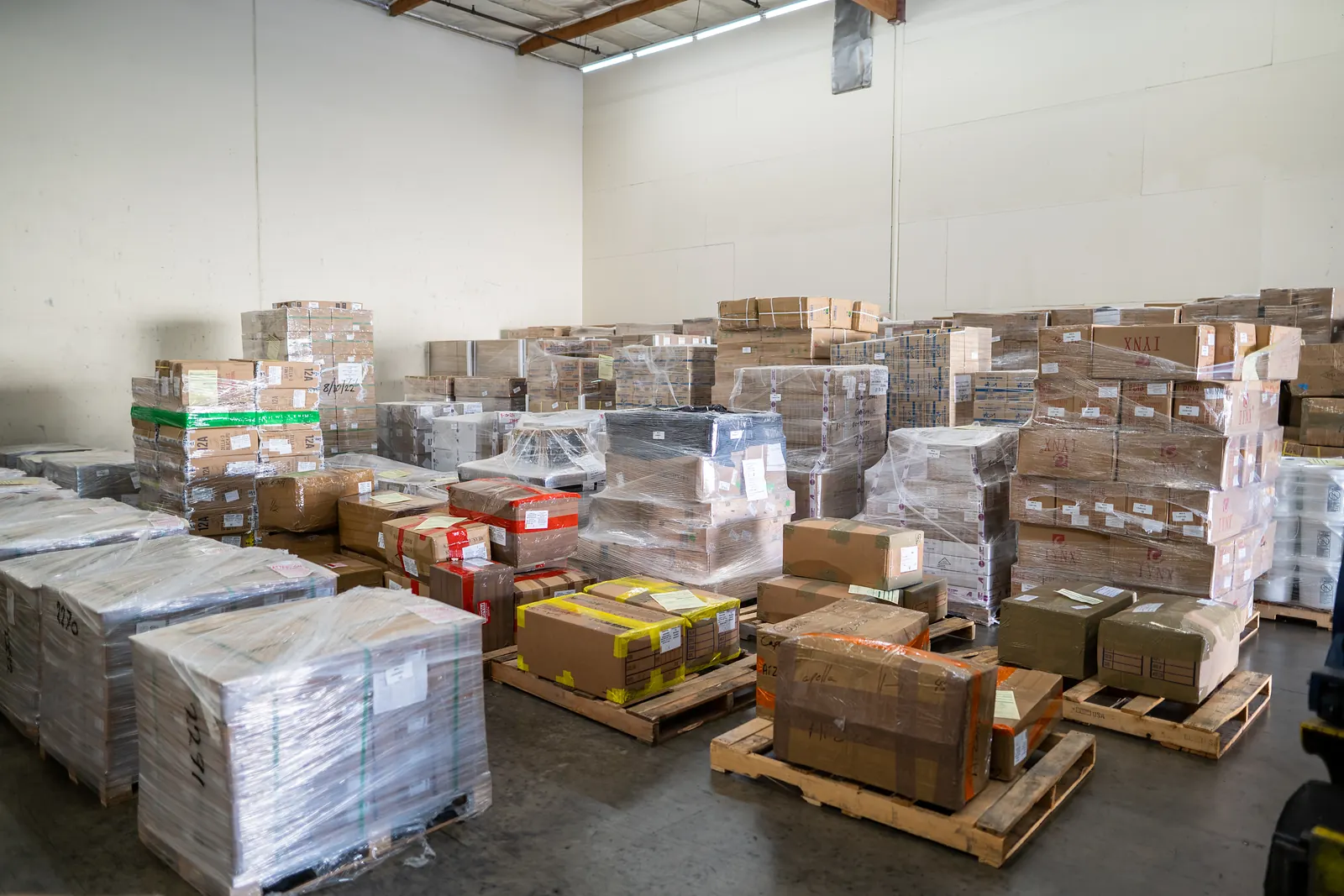
Preparing a container-to-truck transfer with Pelham

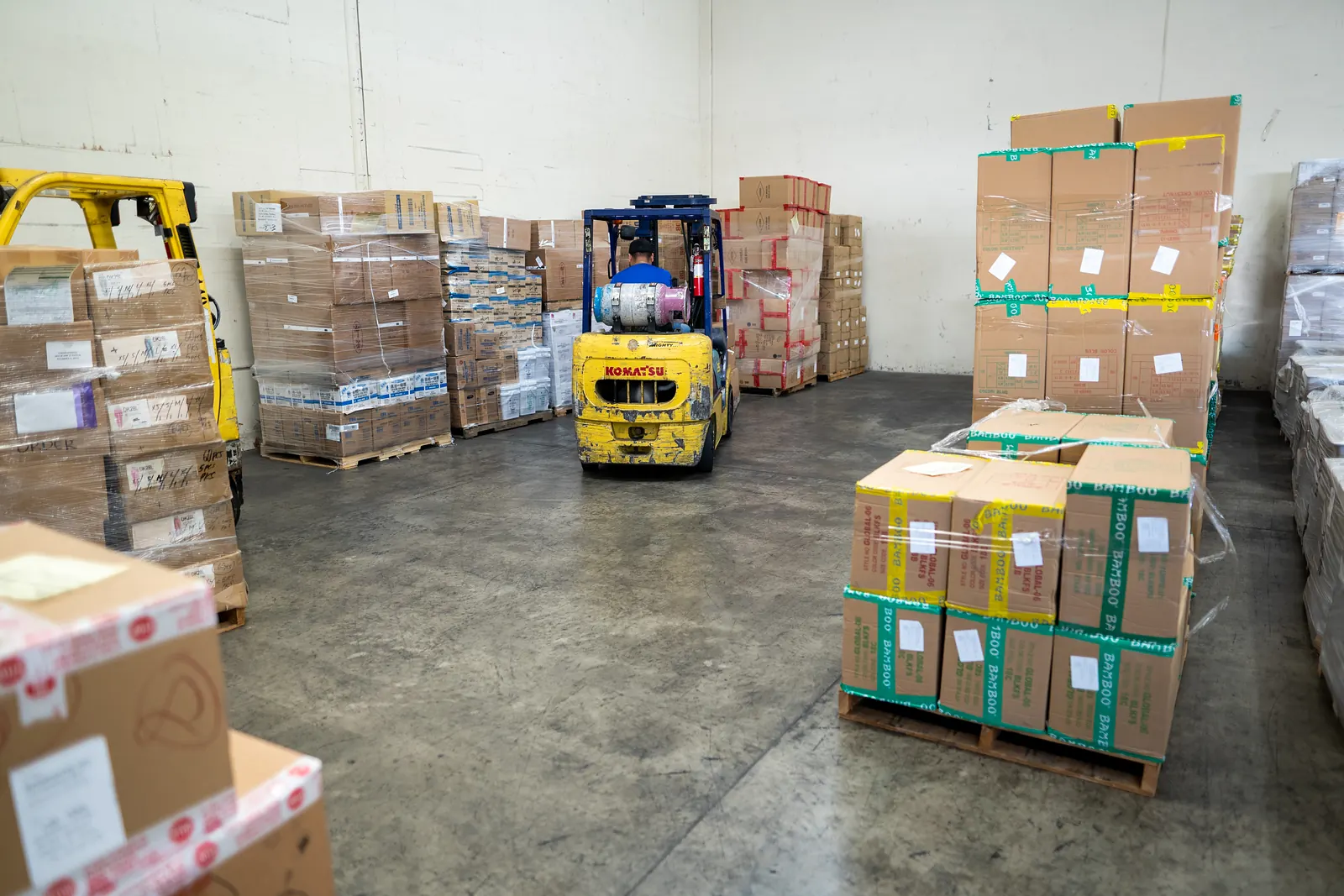
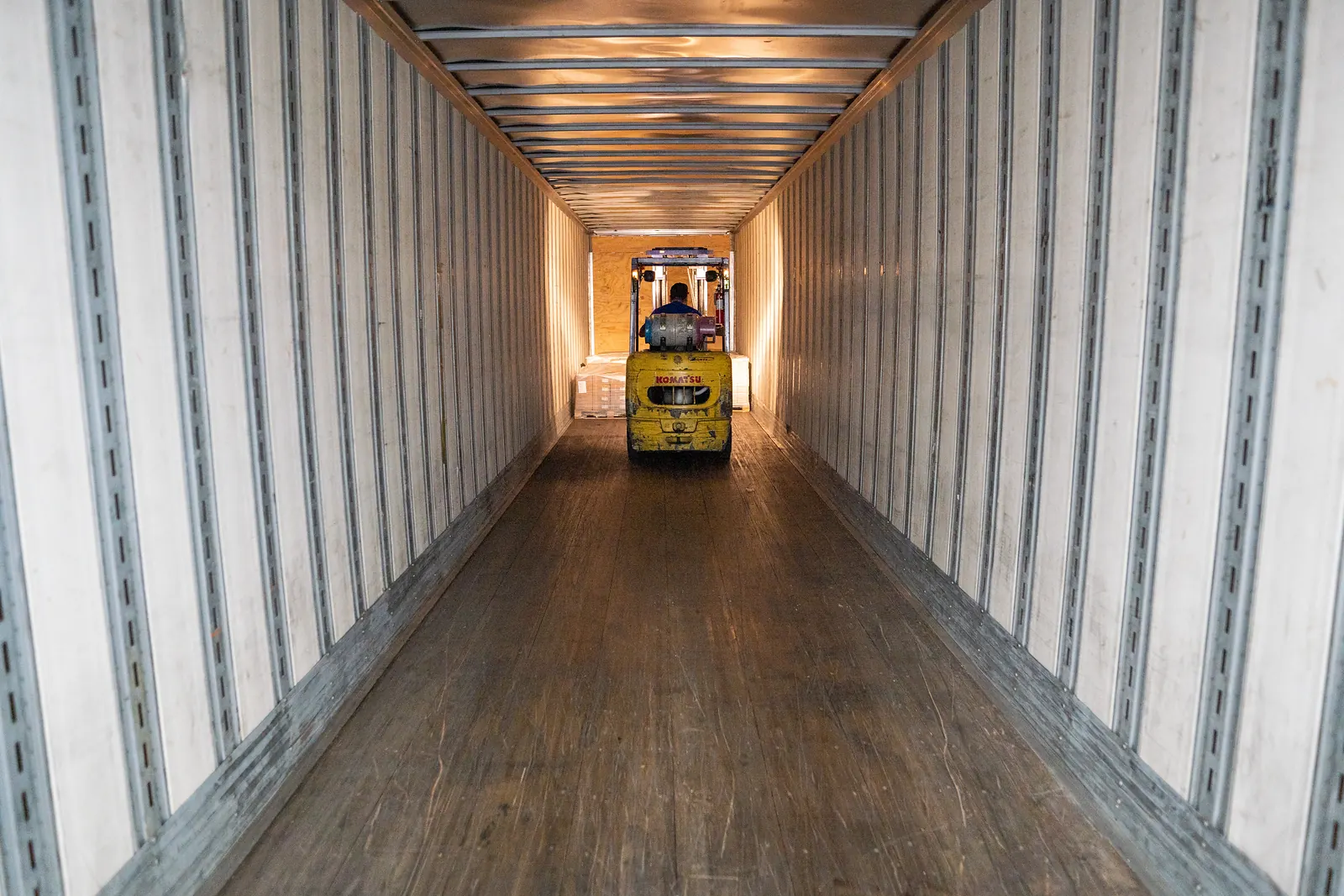
Forklift working at the far end of an empty dry van trailer

The short answer

Before a container-to-truck transfer, align four things: who delivers the inbound container and its facility appointment, how the cargo is packed (floor-loaded or palletized), the handling required (sorting, palletizing, wrapping) and the outbound trucking plan. Ask Pelham which documents and approvals apply to that arrangement. There is no single universal document list, and this is not a port or customs checklist.

Prepare an information pack

A container that reaches a facility without preparation can cause container charges, dock congestion or handling delays. Assemble these details before scheduling its delivery:

Details to have ready
CategoryInformation
Inbound containerContainer number, shipping line or drayage carrier, expected arrival and delivery references
CargoGoods, piece counts, packaging, dimensions, total weight and whether floor-loaded or palletized
HandlingSorting, palletizing (for example, on standard 48 × 40 in pallets), labeling, stretch-wrapping or separation
Outbound moveFlorida receiving business, street address and ZIP, required delivery date, capacity and receiving requirements

Tip: if the container arrives floor-loaded, with loose boxes stacked to the roof, share the sender’s packing list upfront so the labor and pallet materials can be planned. The team must confirm the actual documents and receiving requirements; listing a document here does not make it mandatory for every shipment.

Confirm who is responsible before the facility

  • Your drayage or port carrier: delivers the container from the port or rail ramp to the agreed facility.
  • The transfer: unloading, inspection, palletizing if needed and staging at the agreed facility, as confirmed in the quote.
  • Pelham: the domestic trucking from California to the Florida receiver.

Pelham does not provide direct port service, international transport or customs clearance. Do not dispatch a container based only on a facility address listed online.

Describe how the cargo should leave

  • Shared LTL space: when the container’s contents are split among several Florida receivers.
  • Exclusive FTL capacity: when the whole load goes in a 53’ trailer to one receiver in Miami, Orlando or Jacksonville, directly and with one or two drivers.

Describe any palletizing need. Handling and transfer timing are confirmed separately from trucking transit estimates.

Before dispatching the inbound load

  • Appointment: confirm the receiving location, contact and appointment time for the inbound container.
  • Handling: confirm acceptance of the goods and the agreed sorting, palletizing or labeling.
  • References: make sure the outbound bill of lading (BOL) carries the required customer reference or purchase order (PO) numbers, and confirm the documentation for this arrangement.
  • Charges: agree labor, pallet materials, trucking, included services and timing.
  • Changes: if port delays or drayage holds move the arrival, tell the facility and Pelham immediately.

Send the transfer details for review

Discuss a container-to-truck transfer. If you are unsure which handling term applies, read transloading vs. cross-docking: which do you need. Describe the actual task; the team confirms the arrangement.
Understanding fuel surcharges in a freight quote

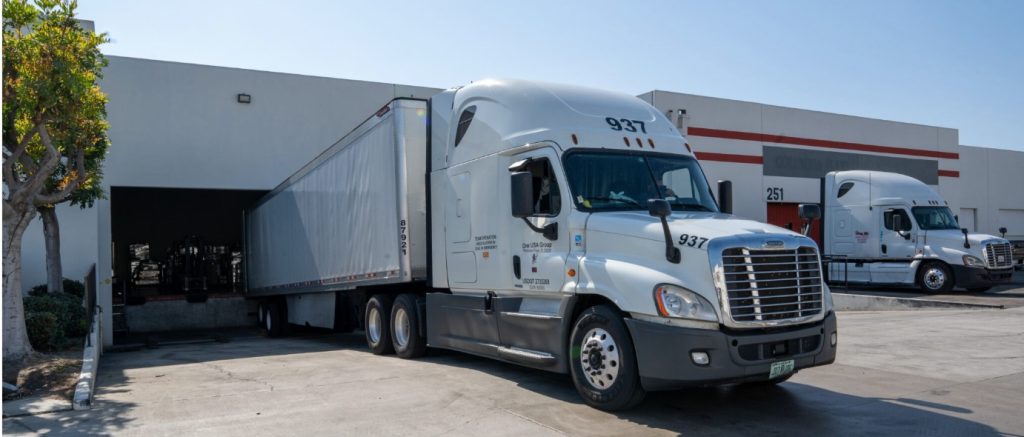
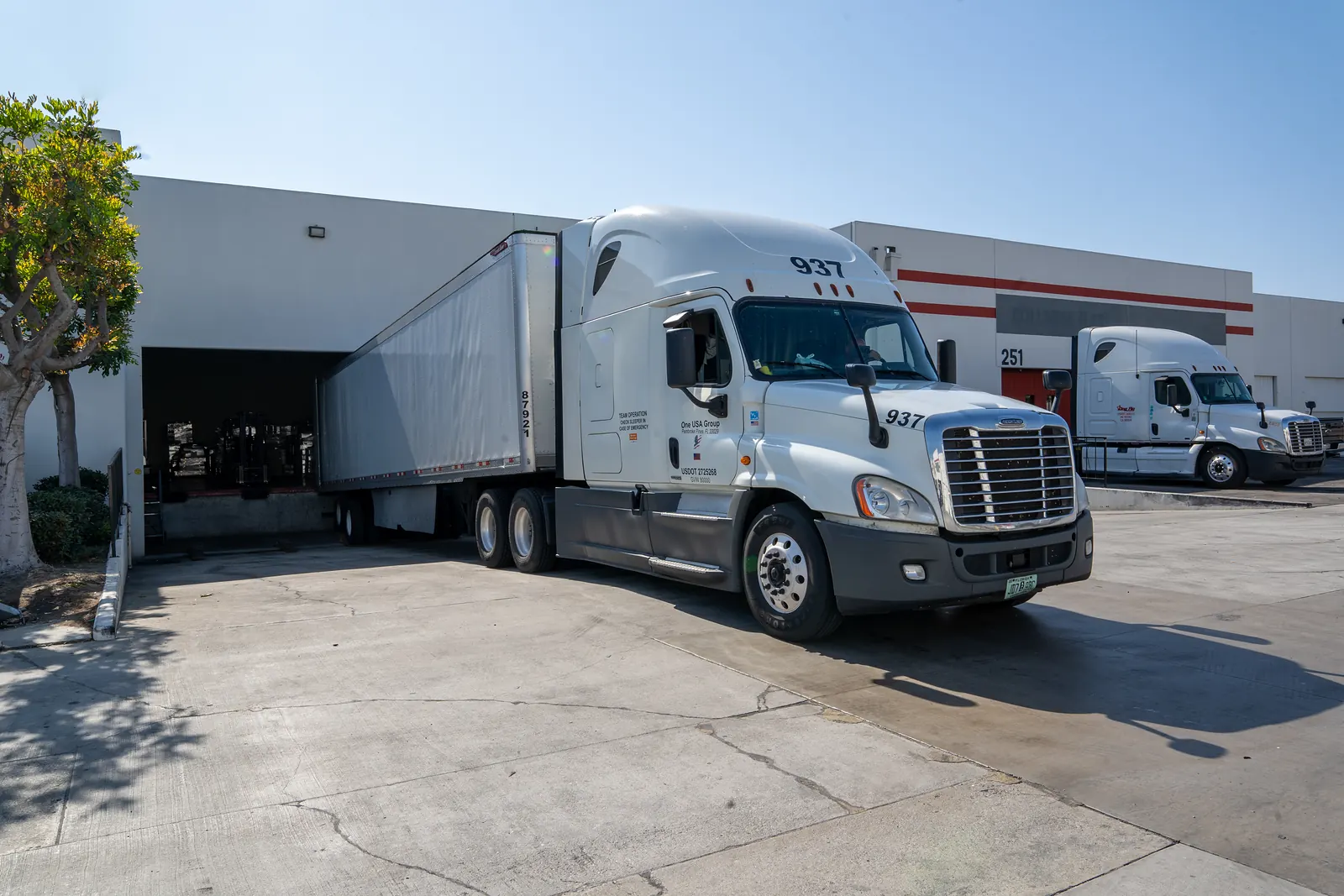
Semi-truck backed into a loading dock door at the Pelham terminal

The short answer

A fuel surcharge (FSC) is a freight pricing component that adjusts for changes in diesel prices, so the base rate can stay stable. To understand yours, identify the calculation basis, applicable rate or amount, effective period and whether it is already included in the quoted total. There is no universal percentage, and this guide does not publish Pelham’s current rate.

How the calculation works

Fuel surcharges vary by carrier and lane. Most quotes use one of two methods:

1. Percentage method

The most common: eligible base charge × applicable surcharge percentage = fuel charge. First confirm what the “eligible base” includes; it is often the linehaul charge only, without additional services.

2. Fixed amount or per-mile method

Some carriers, especially for full truckload, use a stated amount or a per-mile surcharge linked to a diesel price index. Follow the quote’s agreed basis rather than applying a percentage from elsewhere.

At Pelham: contract rates add a fuel percentage that goes up or down with fuel prices. Ask the team which percentage applies to your account or quote.

This explains the arithmetic, not a published Pelham rate.

Four questions that resolve most confusion

  1. Is fuel included? Is the quoted price all-in, or will a fuel surcharge be added to the invoice?
  2. What is the base? Which charge or quantity is the surcharge calculated on?
  3. Which date applies? Surcharges are often updated weekly or monthly: is the rate set by the booking date, the ready date or another date?
  4. How long is the quote valid? Fuel prices move quickly; check how long the rate applies.

Avoid counting fuel twice

An all-in quote may already include fuel. A base transport figure may list it separately.

Common mistake: adding a fuel percentage to an all-in total because you assumed fuel was not included.

Better practice: compare the final total of each quote, not the base rates alone, and identify included components and any conditional charges. Do not add a separate fuel amount to an all-in total unless the quote instructs you to do so.

Why an old percentage may not apply

A fuel surcharge is not a government tax or a single rate shared by every trucking company. It changes with current diesel prices, often measured by a published index such as the U.S. Department of Energy’s weekly diesel average, and with each carrier’s lane and operating costs. A historic screenshot, a six-month-old quote or another carrier’s fuel table does not establish the amount applicable to your shipment. Confirm the basis and validity with the team. If the route, date or load changes, ask whether the existing quote remains valid.

Clarify your quote before booking

For an existing quote, contact Pelham with its reference and ask for the calculation basis and included total. For a new shipment, request a freight quote. How much it costs to ship a pallet explains the other shipment details needed for pricing.

Planning recurring California–Florida freight shipments

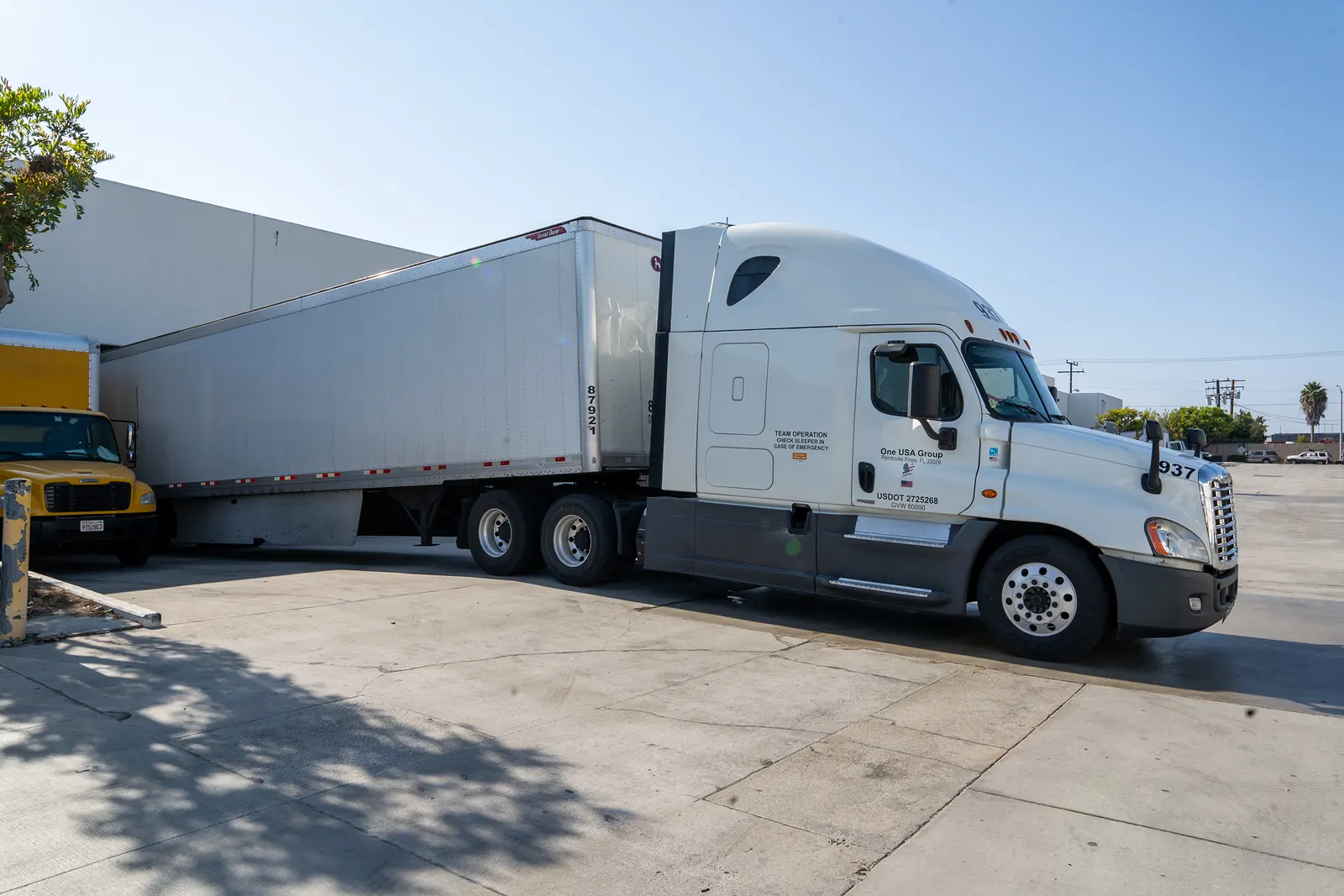
Tractor-trailer reversing toward the loading docks

The short answer

Plan recurring freight around a typical load, its expected variation, pickup readiness and the receiver’s availability. Recurring does not automatically mean FTL or a reserved pickup slot. Share the pattern with Pelham and confirm capacity, pricing and how changes will be handled.

Describe the normal pattern and the exceptions

Whether you move two pallets every week or several truckloads a month, volumes change with production, dock availability and seasonal peaks. A brief with the typical load and its expected variation lets the team confirm capacity and pricing and handle exceptions. Include these five details:

  1. Origin and destination: the usual pickup warehouse in California and receiving business in Florida.
  2. Frequency and ready days: how often you ship (for example, every Thursday morning) and when the goods are packed and ready.
  3. Typical load: pallet count, loaded dimensions (length × width × height), weight and goods.
  4. Variation and seasonality: peak periods, changing destinations or months when volume doubles or drops.
  5. Receiving requirements: appointment windows, dock access and the person coordinating each end.

A useful recurring shipment brief

“We expect [frequency] shipments from [supplier/location] to [receiver/location]. A typical load is [count, sizes, weight]. During [period] it may change to [variation]. Goods are normally ready [schedule], and the receiver requires [arrangements].” This is a planning brief, not a capacity reservation.

Choose capacity from the load, not the frequency

A common misconception is that recurring shipments always need a full truckload. The load decides:

  • Recurring LTL: steady partial loads of 1 to 7 pallets per shipment that can share trailer space.
  • Recurring FTL: 8 pallets or more per shipment (volume load or full truckload), or loads that need exclusive capacity in a 53’ trailer, with one driver or a two-driver team.

Tip: if volume peaks in certain months, ask about LTL for the normal months and a volume load or FTL for the peak season. See LTL vs. FTL: the differences rather than assuming all repeated shipments need dedicated trucks.

Agree what needs reconfirmation

Changes to raise before dispatch
ChangeQuestion to ask
More pallets or larger dimensionsDoes the quoted capacity and price still apply? Extra space changes the billable weight.
A new ready date or appointmentCan pickup and receiving still be coordinated?
A different destination, warehouse or forwarderDoes the service and quote still fit?

Even on a regular schedule, tell the team about these changes before pickup. Keep the latest agreed details together.

How are recurring shipments priced?

Freight rates are dynamic and change with the market, so a previous quote does not automatically fix future prices or availability. For regular volumes, Pelham offers contract rates. A contract rate keeps the agreed base rate and adds a fuel surcharge percentage that goes up or down with fuel prices. Share the brief above and ask the team for a contract rate proposal.

Match the schedule to an LTL service level

  • Expedited LTL: estimated 3 calendar days from pickup, for South Florida only, from Homestead to West Palm Beach.
  • Regular LTL: estimated 7 calendar days from pickup to all Florida destinations.
  • Economy LTL: estimated 10 calendar days from pickup to all Florida destinations, suited to predictable, non-urgent replenishment.

These are estimates, not guarantees; plan the receiver’s stock with that margin.

Request a review of the pattern

Send a recurring freight enquiry using the brief above. Add the details listed in freight quote requirements for the initial load. Confirm each arrangement before treating it as booked.

Freight quote requirements: what to prepare

Pelham warehouse worker completing shipment paperwork on a carton

The short answer

To request a useful freight quote, provide pickup and delivery locations, goods and packaging, pallet count, loaded dimensions, weight and a ready date. Add the service preference and receiving requirements if known. State units and distinguish weight per pallet from total shipment weight.

Freight quote checklist

Missing dimensions or a vague delivery address slow a quote down. Giving these details upfront gets you a more accurate rate on the first try and avoids adjustments later:

  • Pickup: business name, city/state/ZIP, contact and the date the goods will be ready.
  • Delivery: receiving business, city/state/ZIP and any access instructions, such as restricted access, appointments or limited hours; include street addresses when available. Say whether the receiver needs a liftgate. Pelham delivers to businesses; if you are already a customer and an occasional shipment goes to a home address, tell the team.
  • Goods: what is being shipped (for example, printed packaging or machinery parts), how it is packed (pallets, crates or loose boxes) and the pallet or piece count.
  • Measurements: length × width × height of each pallet after it is loaded and wrapped, including any overhang, for each size group; specify inches or other units.
  • Weight: weight per pallet and total shipment weight, with units. Pelham bills the greater of the actual weight and the dimensional weight, so use scale weights rather than guesses.
  • Service: LTL level, FTL or “Help me choose”; identify any palletizing or transfer need.

A message you can copy and complete

Pickup business and city/state/ZIP: [details]
Receiving business and city/state/ZIP: [details]
Ready date: [date]
Required delivery date: [date]
Goods and packaging: [description]
Pallet count: [count]
Loaded dimensions per size group: [length × width × height, units]
Weight per pallet and total: [values, units]
Service preference: [LTL level / FTL / help me choose]
Receiving or handling requirements: [details]

What if some information is missing?

Mark unknown details as unknown and ask the supplier or receiver to confirm them. You can start an enquiry with the information available to get an initial budget; the price is confirmed once measurements and weights are confirmed. Do not present estimates as measured values: a scale ticket avoids weight corrections later.

Three errors that create avoidable follow-up

1. Writing “two pallets” without dimensions or weight

Pallets come in different sizes. A standard 48 × 40 in pallet takes up different trailer space than an oversized 96 × 48 in one, so the team cannot calculate space or price without loaded dimensions and weight.

2. Giving the overseas destination for a Miami forwarder

If the goods are going to South America but Pelham picks them up in Los Angeles and delivers them to an export forwarder in Miami, give the Miami warehouse address. The quote covers where Pelham delivers.

3. Giving a deadline without a ready date

“It must arrive by Friday” is not enough if the team does not know when the goods will be packed. Give the ready date at pickup and the required delivery date, with the receiver’s appointment requirements.

Check the response before booking

  • Is the service correct: LTL level or FTL?
  • Which charges are included, such as fuel, a liftgate or an appointment?
  • Do the pickup and delivery addresses match your bill of lading (BOL)?
  • Are the pickup arrangements and expected timing clear?

An enquiry is not a booking. If the load, ready date or receiving details change, ask whether the quote still applies. To compare alternatives, see what it costs to ship a pallet from California to Florida.

LTL vs. FTL: which fits your California–Florida shipment?

Mixed LTL pallets staged in the warehouse while a forklift moves freight

The short answer

LTL means less than truckload: your freight shares trailer space. FTL means full truckload: you reserve exclusive trailer capacity. At Pelham, LTL covers 1 to 7 pallets; from 8 pallets, the team quotes a volume load or a full truckload. Dimensions, weight, handling and timing also affect the fit.

LTL vs. FTL at a glance

Compare capacity, price and timing
DecisionLTLFTL
Pallet count at Pelham1 to 7 pallets8 pallets or more (volume load or full truckload)
Trailer spaceShared with other shippers’ freightA 53’ trailer reserved for one shipper
Best forPartial loads and flexible schedulesLarger loads, or freight that should not share space: high-value, fragile or non-stackable
RouteThrough Pelham’s origin and destination warehousesCan go directly from pickup to delivery, without passing through a terminal
DriversSet by the LTL service levelOne driver or a two-driver team: you choose
Price comparisonBilled on the greater of actual weight and dimensional weightQuoted for the exclusive capacity and the actual requirements
Pelham transitExpedited, Regular or Economy, within each level’s coverageTiming quoted separately for the shipment and the number of drivers

Tip: do not assume LTL is always cheaper. When a load gets close to 8 pallets or takes up a lot of trailer space, ask for both quotes: exclusive capacity can lower the cost per pallet. Compare written quotes for the same load and receiving requirements.

Which option fits your shipment?

Choose LTL if

  • You are shipping 1 to 7 pallets that do not need a whole trailer.
  • The cargo can travel safely alongside other commercial freight.
  • You can work with the LTL transit estimate for your destination.

Choose FTL if

  • You have 8 pallets or more, or the load reaches the trailer’s weight capacity.
  • The freight needs exclusive capacity: high-value or delicate goods, cargo that cannot be stacked or strict security requirements.
  • The load should go directly from pickup to delivery, without being consolidated with other shipments or passing through a terminal.
  • The deadline is tight: with a two-driver team, the truck keeps moving for longer and transit is shorter.

Not sure? Send measurements and weight, and select “Help me choose”. The team confirms whether the cargo, packaging and handling fit shared transport.

Two situations, two different questions

LTL: a Los Angeles supplier sends 2 pallets of boxed packaging to a warehouse in Miami. Shared LTL capacity is the natural fit.

FTL for a partial load: a shipper has 5 pallets of high-value electronics that cannot be stacked or mixed with other freight. The trailer will not be full, but exclusive FTL capacity keeps the load separate.

These examples illustrate the decision; they are not acceptance or price commitments.

How do Pelham transit options differ?

  • Expedited LTL: estimated 3 calendar days from pickup, for South Florida only, from Homestead to West Palm Beach.
  • Regular LTL: estimated 7 calendar days from pickup to all Florida destinations.
  • Economy LTL: estimated 10 calendar days from pickup to all Florida destinations. Pelham’s lowest-cost LTL level, suited to flexible replenishment.

All are estimates, not guarantees. FTL timing is quoted separately for each shipment and depends on whether you choose one driver or a two-driver team. See current LTL coverage and service levels.

How should you compare LTL and FTL rates?

  • Give both enquiries the same pickup and delivery ZIP codes, cargo, dimensions, total weight and ready date.
  • Confirm which additional services are included, such as a liftgate or an appointment.
  • Rates are dynamic and change with the market: compare quotes requested at the same time.
  • Compare the total quoted amount against the volume shipped, and the timing, rather than assuming a fixed saving for LTL.

For a partial shipment, how much it costs to ship a pallet from California to Florida explains which details affect the quote.

Choose capacity or ask the team to help

Explore LTL shared capacity or FTL exclusive capacity. If the choice is still unclear, request a quote and select “Help me choose”. The team confirms the arrangement before booking.

Cross-docking, transloading and palletizing: which do you need?

Cartons stacked on a pallet inside a trailer during loading, with a pallet jack behind

The short answer

Transloading describes transferring freight between transport equipment; cross-docking describes moving inbound freight into an outbound movement with limited storage. Palletizing prepares goods on pallets. You do not always have to pick one: a single shipment often uses all three. Describe the incoming load and desired outbound shipment rather than assuming only one label applies.

What each operation solves

Compare the handling task
OperationQuestion it answersExample
TransloadingDoes the cargo need to change equipment?Unload goods from an ocean container and reload them into a domestic truck.
Cross-dockingHow quickly can inbound goods move into the outbound shipment?Receive freight at a dock and stage it for an outbound LTL or FTL movement, without long-term storage.
PalletizingDo the goods need preparation on pallets?Stack loose, floor-loaded cartons on pallets and shrink-wrap them so they can be moved by forklift.

Tip: loose boxes arriving in a container may be transloaded into a truck, palletized for safe handling and cross-docked onto an outbound Florida shipment. Storage duration, materials, timing and exact handling must be agreed for the shipment.

Describe the result you need

  • What is arriving: a container, trailer or box truck; floor-loaded, crated or already palletized; with cargo and packaging details.
  • Preparation needed: sorting, palletizing, shrink-wrapping, labeling or separation into different outbound loads.
  • Outbound details: the Florida destination, such as Miami, Orlando or Jacksonville, the receiving business and how the cargo should leave.
  • Timing and storage: an immediate dock-to-dock transfer or temporary staging before pickup, and any deadline. Ask which handling can be accommodated.

A container-to-truck scenario

Imported goods arrive at an agreed Los Angeles receiving facility and need to move by truck to a distribution center in Miami:

  1. Arrival: the goods arrive as loose boxes, floor-loaded in an ocean container.
  2. Palletizing: the boxes are unloaded, stacked on pallets and shrink-wrapped for domestic transport.
  3. Transloading and cross-docking: the pallets move across the dock into a truck bound for South Florida, without long-term storage.

This example does not imply Pelham collects at the port or handles customs.

What to confirm before dispatch

  • Appointments: receiving and pickup times at the transfer facility.
  • Materials: if palletizing is needed, the pallet size (for example, 48 × 40 in) and wrapping.
  • Charges: labor, pallet materials, handling and which services are included.
  • Outbound details: final pallet count and total weight, outbound capacity, receiving business and delivery requirements.

Discuss the handling arrangement

Check the container transloading requirements, then request a handling quote. Pelham offers cross-docking, transloading and palletizing for domestic trucking; international transport, rail and direct port service are outside its offer.

The Future of Logistics: Trends Pelham Services Is Actively Embracing

Logistics is not static — each year brings new technologies, regulations, and client expectations. At Pelham Services, we’re more than observers — we are early adopters, ready to bring those advances into our service offerings.

Emerging Trends & Pelham’s Response

  1. Green & sustainable shipping
    More shippers demand carbon-conscious carriers. We are exploring alternative fuels, route optimization to reduce emissions, and load consolidation strategies to minimize environmental impact while preserving cost efficiency.
  2. Automation & robotics in warehousing
    As warehouses modernize with autonomous forklifts, smart racks, and robotics, our facilities are evolving to support these systems and interface seamlessly with client inventory systems.
  3. AI-driven routing and predictive analytics
    Instead of fixed routes, we leverage forecasting to anticipate demand, reroute dynamically, and avoid congestion. This leads to better delivery windows and lower dwell times.
  4. Omni-modal optimization
    A shipment might start via sea, transfer to rail, then motor, and finish via local trucking. Our integrated view lets us optimize each leg, reducing handoff delays.
  5. Customer visibility & transparency
    Clients no longer accept “in transit” as status. They want location, ETA, possible delays, and exception alerts. Our systems are designed to push this data proactively.

Why Pelham Services Is Poised for the Future

  • Strategic footprint in key states: With operations in California and Florida, we’re already in high-demand markets, serving as hubs for cross-country flow. (LinkedIn)
  • Hands-on control: Because we own our assets and operations, we have greater flexibility to adopt new systems, retrofit infrastructure, and manage change internally.
  • Safety & compliance as a foundation: With no crashes or violations recently (per SAFER), we have operational discipline that supports scalable transformation. (SAFER Web)
  • Client-centric mindset: We work to solve real supply chain challenges—not to push one-size-fits-all solutions.

Insights for Shippers & Supply Chain Managers

  • Don’t wait to pivot: Companies that delay will lose margin, as carriers that are future-ready can command premium value.
  • Embrace partnerships, not transactions: The carriers that survive will be those that collaborate on joint planning, share data, and co-innovate.
  • Focus on risk mitigation: Weather, geopolitical shifts, congestion, regulation — having a logistics partner who understands and plans for risk is critical.

As logistics continues to evolve, so do we. Pelham Services is committed to pushing the boundaries of reliability, innovation, and client service.
Let’s chart the future together. Contact us now (info@pelhamservices.com / 323-201-4998 ext #2) to see how we can modernize your logistics strategy.

Navigating Challenges in U.S. Logistics: How Pelham Services Delivers Stability

The logistics industry in the U.S. faces multiple headwinds: tight margins, rising fuel prices, regulatory shifts, driver shortages, and heightened customer expectations. In such a landscape, what does it take to deliver stability and excellence? Pelham Services has built its model specifically to meet those challenges head on.

Challenge Why it matters Pelham’s Approach
Fuel & operational costs rising Margins get squeezed as diesel prices surge Through efficient routing, pooling shipments, and load consolidation, we reduce wasted miles.
Driver shortage & retention Fewer qualified drivers leads to capacity constraints We prioritize partnerships, competitive compensation, and reliability so we’re less dependent on “spot” capacity.
Regulatory pressure / compliance burden Staying compliant with FMCSA, state rules, inspections is costly Pelham maintains clean compliance records (as per SAFER status, no recent violations or crashes) to minimize disruptions. (SAFER Web)
Demand for faster, customized delivery Clients expect flexibility and speed We combine our regional strengths (California, Florida) with global reach to offer scalable solutions. (pelhamservices.com)

Highlights of Our Capabilities

Multiple terminals: We operate across Los Angeles (Gardena terminal address: 249 East Redondo Beach Blvd) and Miami (4081 NW 79th Ave) to enable faster regional coverage.
pelhamservices.com

Global integration: “We take care of your goods delivery worldwide” is a tagline on our homepage, reinforcing that we can handle end-to-end logistics — sea, air, land.
pelhamservices.com

Scalable operations: Whether you have one shipment or recurring volume, we scale infrastructure accordingly without compromising service.

What Makes a Logistic Partner Truly Valuable?

Predictability over promises: Many players promise “overnight everywhere,” but fail at consistency. We aim for consistent, reliable delivery windows.

Proactive communication: When delays or disruptions happen (weather, customs, etc.), we don’t wait — we alert clients, propose workarounds, and keep the chain moving.

Continuous improvement: We monitor KPIs (on-time rate, damage rate, claims, dwell times) and refine processes.

Technology leverage: GIS routing, load matching, real-time visibility — we invest in the tools to support these capabilities.

We are driven to be more than a vendor — we aim to be a logistics partner you can trust through volatility.
Ready to streamline your shipping, enhance visibility, and reduce risk?
Reach out now — email us at info@pelhamservices.com
or dial 323-201-4998 ext #2. Let’s move your business forward, together.

Tecnología en el transporte de carga: preguntas que conviene hacer

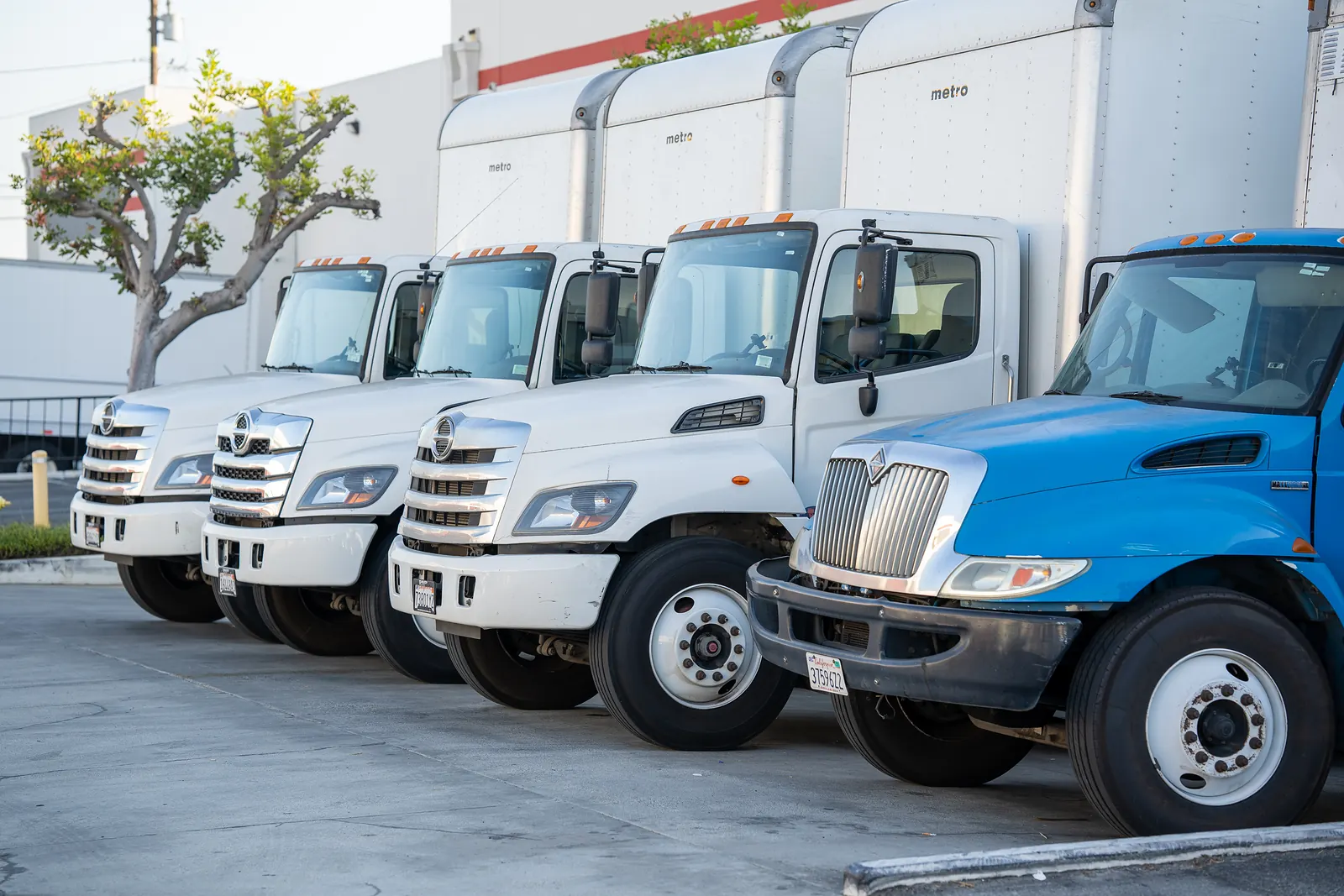
Pelham box truck fleet lined up in the terminal yard

La respuesta breve

Evalúe la tecnología de transporte según le ayude a tomar decisiones de envío con rapidez y seguridad: obtener una actualización de estado útil, mantener coherentes los datos del envío o coordinar la recepción. Pida el flujo de trabajo real, los requisitos de acceso y las limitaciones. Un enlace a un portal no garantiza por sí solo el seguimiento GPS en vivo ni las alertas automáticas.

Visibilidad: ¿qué información recibirá realmente?

Casi todos los transportistas anuncian tecnología avanzada, pero las palabras de moda no mueven la carga; la comunicación clara sí. Además, “seguimiento” significa cosas distintas: un único correo de “despachado” no equivale a recibir actualizaciones en cada etapa.

  • ¿Qué actualizaciones de recogida, tránsito y entrega están disponibles?
  • ¿Las actualizaciones las proporciona una persona, un portal u otro canal?
  • ¿El estado describe el envío o muestra la ubicación del vehículo en tiempo real?
  • ¿Qué referencia y qué contacto debe usar si una actualización se retrasa o el destinatario necesita una nueva hora estimada de llegada?

En Pelham: no hay seguimiento GPS en vivo. El estado se actualiza en cada etapa: carga recogida, llegada al almacén de origen, salida hacia Florida, llegada al almacén de destino, entrega y prueba de entrega.

Documentación digital: ¿pueden ambas partes usar los mismos datos?

Muchos ajustes de facturación se deben a diferencias entre la orden de compra, la lista de empaque y el conocimiento de embarque (BOL). Un proceso digital útil mantiene coherentes la descripción de la carga, las dimensiones, el peso, las direcciones y las instrucciones de muelle. Pregunte cómo se envían los cambios de dimensiones, cantidad de pallets o instrucciones de entrega después de la cotización, y qué versión rige el acuerdo.

Pelham tiene una solicitud de cuenta digital. Agiliza la configuración de la facturación, pero enviar la solicitud no reserva capacidad ni una carga por sí solo.

Planificación: ¿la información respalda la fecha límite de recepción?

El software puede planificar rutas, pero no puede pasar por encima de las citas de recepción, el tráfico ni los retrasos de carga. Pregunte qué información de plazos está confirmada y cuál es estimada, y quién coordina los cambios de cita con un centro de distribución en Florida o un agente de carga en Miami. En Pelham, de esa coordinación se encarga el equipo de atención al cliente y despacho. Compárelo con el destino real y el requisito de cita. La tecnología no convierte un tiempo de tránsito estimado y no garantizado en una entrega garantizada.

Una hoja de evaluación sencilla

Preguntas para conversar con un transportista
NecesidadQué preguntarQué registrar
Visibilidad¿Cómo y cuándo se envían las actualizaciones del envío?Canal (correo, portal o teléfono), frecuencia, referencia y contacto
Coherencia de documentos¿Cómo enviamos cambios de la carga antes de la recogida?Contacto, proceso de cambios y reglas del BOL
Coordinación de la recepción¿Cómo se comunican los cambios de cita a los destinatarios?Avisos, responsabilidades y gestión de incidencias

Estas son preguntas de evaluación; no afirman que Pelham ofrezca todas las funciones ni constituyen una clasificación de las tendencias actuales del sector.

Aplique las preguntas a su envío

Para una pregunta operativa, contacte a Pelham. Para una carga nueva, revise primero qué incluir al cotizar un flete y luego solicite una cotización. Elija según la adecuación confirmada del servicio, la experiencia en la ruta y la comunicación clara, no por una etiqueta tecnológica ni una demostración de software.

Retos logísticos en el transporte de carga: cómo planificar ante retrasos

Palletized freight staged across the Pelham warehouse floor

La respuesta breve

Si un plan de carga cambia, identifique primero el envío afectado e informe al transportista y a la empresa receptora qué cambió. Confirme el arreglo de recogida o recepción más reciente antes de asumir nuevos compromisos. Un tiempo de tránsito estimado no es una cita garantizada; no trate una llegada no confirmada como una conexión posterior confirmada.

Por qué cambian los planes de carga entre California y Florida

La carga de Los Angeles a Florida recorre unas 2,700 millas durante varios días. Entre 2,300 y 2,400 de ellas van por la Interestatal 10, la ruta principal desde Los Angeles hasta Tallahassee y Jacksonville; desde ahí, los camiones bajan por la I-75, la I-95 o el Florida’s Turnpike. Incluso con una buena planificación, los retrasos de carga en un almacén, el mal tiempo, el tráfico y los cambios en las citas de recepción pueden afectar el calendario. Una comunicación rápida y ordenada entre el transportista, el proveedor y el destinatario evita que un pequeño cambio se convierta en una interrupción costosa.

Si el envío ya está en camino

  1. Localice la referencia: tenga a mano la referencia de la cotización de Pelham o el número del conocimiento de embarque (BOL).
  2. Consulte el último estado: Pelham actualiza cada envío en sus etapas, desde la recogida hasta la prueba de entrega. Contacte al equipo de atención al cliente y despacho y pregunte qué está confirmado y qué sigue siendo estimado.
  3. Avise a la empresa receptora: el destinatario en Florida puede ajustar el personal del muelle o reprogramar la cita.
  4. Coordine el siguiente tramo por separado: si un agente de carga en Miami u otra empresa se encarga del siguiente tramo, comuníquele la nueva hora estimada de llegada para que revise su fecha límite.

Regla: un tiempo de tránsito estimado es un objetivo operativo, no una cita garantizada. No programe una salida internacional ni un turno de producción con base en una llegada sin confirmar.

Solicite una actualización de un envío existente. Esta guía no promete una solución, compensación ni función de rastreo en particular.

Si la carga no está lista para la recogida

  • Avise al equipo de inmediato cuando cambien la fecha en que la carga estará lista, la cantidad de pallets, las dimensiones o el peso.
  • Vuelva a confirmar el precio y la capacidad: más pallets o un nuevo día de recogida pueden cambiar el espacio y el arreglo. Pregunte si la cotización sigue siendo válida.
  • Pida al proveedor una fecha realista en que la carga estará lista y compruebe la disponibilidad del destinatario antes de acordar una nueva recogida.

Si cambian los datos de recepción

Si un destinatario en Miami, Orlando o Jacksonville cambia el lugar de entrega o el horario del muelle, envíe la nueva dirección, el local o la puerta, el contacto de recepción y las reglas de citas. Pregunte qué implica el cambio para el arreglo existente. Si se trata de un agente de carga, use la dirección de recepción nacional en Florida, no el destino en el extranjero, y coordine con esa empresa cualquier itinerario internacional posterior.

Reduzca la incertidumbre evitable en el próximo envío

  • Mida con antelación: indique las dimensiones con carga (largo × ancho × alto) y el peso total en lugar de suponer medidas estándar de pallet.
  • Indique ambas fechas: la fecha en que la carga estará lista para la recogida y la fecha límite real del destinatario.
  • Designe los contactos: quién comunica los cambios en el proveedor y en la empresa receptora.
  • Elija el nivel LTL adecuado: ajuste la urgencia a Economy, Regular o Expedited, y revise la cobertura y los plazos estimados antes de reservar.